
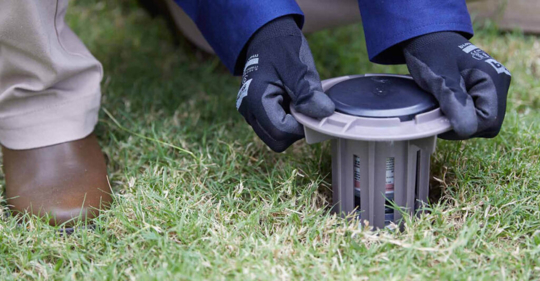
As the Phoenix sun begins to warm the soil this spring, the desert landscape isn’t the only thing waking up. Beneath the surface, termite colonies are becoming increasingly active, looking for their next meal—which, without the right protection, could be the wooden frame of your home. At Overson Pest Control, we know that peace of mind comes from knowing your preventative measures are actually doing their job. If you have a termite bait station installed around your property, you might wonder if those small green or black caps in the dirt are truly standing guard against silent destroyers.
Understanding the Role of Your Baiting System
Before diving into the signs of success, it is important to understand how these systems function in our unique Arizona climate. Unlike liquid barriers that create a perimeter, bait stations are designed to recruit termites, allowing them to share a slow-acting growth regulator with the rest of the colony. This "Trojan Horse" method is highly effective, but because it happens underground, it can feel like a mystery to the average homeowner. Our family-owned team has been monitoring these systems across the Valley since 2015, and we’ve identified the key indicators that your investment is working.
1. Visible Mud Tubes Inside the Station
One of the most encouraging signs that a station is active is the presence of earthen "mud tubes" within the device itself. Termites use these tiny tunnels to maintain moisture and protect themselves from the dry Phoenix air. If our technicians open a station and see these intricate structures, it means the termites have found the bait and are officially "checking in."
2. Evidence of Bait Consumption
The most obvious sign of success is the physical depletion of the bait material. These stations contain a cellulose-rich substance that termites find more delicious than your home's structural wood. When we perform your regular inspections and find that the bait has been partially eaten or replaced with "frass" (termite debris), it’s a clear signal that the system is successfully diverting the colony away from your foundation.
3. Presence of Worker Termites
While seeing a live bug might normally cause a moment of panic, seeing worker termites inside a bait station is actually a win. It confirms the station is placed in an optimal foraging path. These workers are the ones responsible for feeding the Queen; by consuming the bait, they are essentially beginning the countdown for the colony’s elimination.
4. Station Integrity and Positioning
A working bait station must be accessible. In the desert, shifting soil or heavy monsoon runoff can sometimes bury or dislodge stations. A sign that your system is "working" is that it remains flush with the ground and moisture levels are being managed correctly. Our team at Overson Pest Control ensures each station is strategically placed near "hot spots" like moisture-rich garden beds or wooden fences.
5. Lack of New Damage to Your Home
The ultimate proof that your termite baiting system is doing its job is the absence of new activity inside your living space. If you aren't finding new discarded wings near windowsills or hollow-sounding wood in your baseboards, the bait stations are likely intercepting the threat before it reaches your walls.
Protecting your Phoenix home requires a proactive approach and a partner who treats your property like their own. If you’re worried about the hidden activity beneath your feet or want a professional to verify your home's safety, reach out to Overson Pest Control at (602) 962-2272 for a thorough inspection and a treatment plan backed by our 100% money-back guarantee.